en
en
 nl
nl

Buying a used bike in the Netherlands: the complete guide for expats and students (2026)
A complete guide to buying a second-hand bike in the Netherlands as an expat or student — where to look, frame-number checks, stolen-bike avoidance, and registration explained.
Looking for a bike in Amsterdam? Whether you’re a newcomer, a student, or simply in need of a replacement, finding a good second-hand bike can be confusing. With stolen bikes, scams, and overpriced stores, it’s easy to make the wrong choice.
So, where should you get a bike in Amsterdam? Here’s a breakdown of the four most common options—and why BikeFair is the safest, easiest, and best-value choice.
Table of Contents
New to the Netherlands? Read this first.
If you've just moved to the Netherlands — as a student, an expat, or a newcomer in any form — a bike isn't optional. It's the cheapest, fastest, and frankly the only socially acceptable way to get around in most Dutch cities. But the second-hand bike market here has its own rules, and locals don't always think to explain them. Three things you'll wish someone had told you:
- A bike under €60 on the street is almost certainly stolen. New arrivals are the favourite target of street sellers — they look for accents, hesitation, and tourists. Buying a stolen bike (even unknowingly) is a criminal offence in the Netherlands and carries a fine of up to €400, plus confiscation of the bike. Always check the frame number against the police database (free at verlorenofgevonden.nl). If the seller won't let you, walk away.
- Your insurance probably doesn't cover the bike — yet. Most basic Dutch household insurance (inboedelverzekering) covers bikes only with a separate "fiets" module. If the bike is worth over €300, take 30 seconds after purchase to register it with your insurer. Without it, theft = €0 reimbursement. Read our bike insurance guide for what's worth paying for.
- There is no national bike registration system, but the frame number IS the bike's identity. Save it. Photograph it. Some platforms (BikeFair) will store it for you. If the bike is ever stolen, the frame number is the only thing the police can use to recover it.
Got that? Now let's look at the four ways to actually buy a bike.
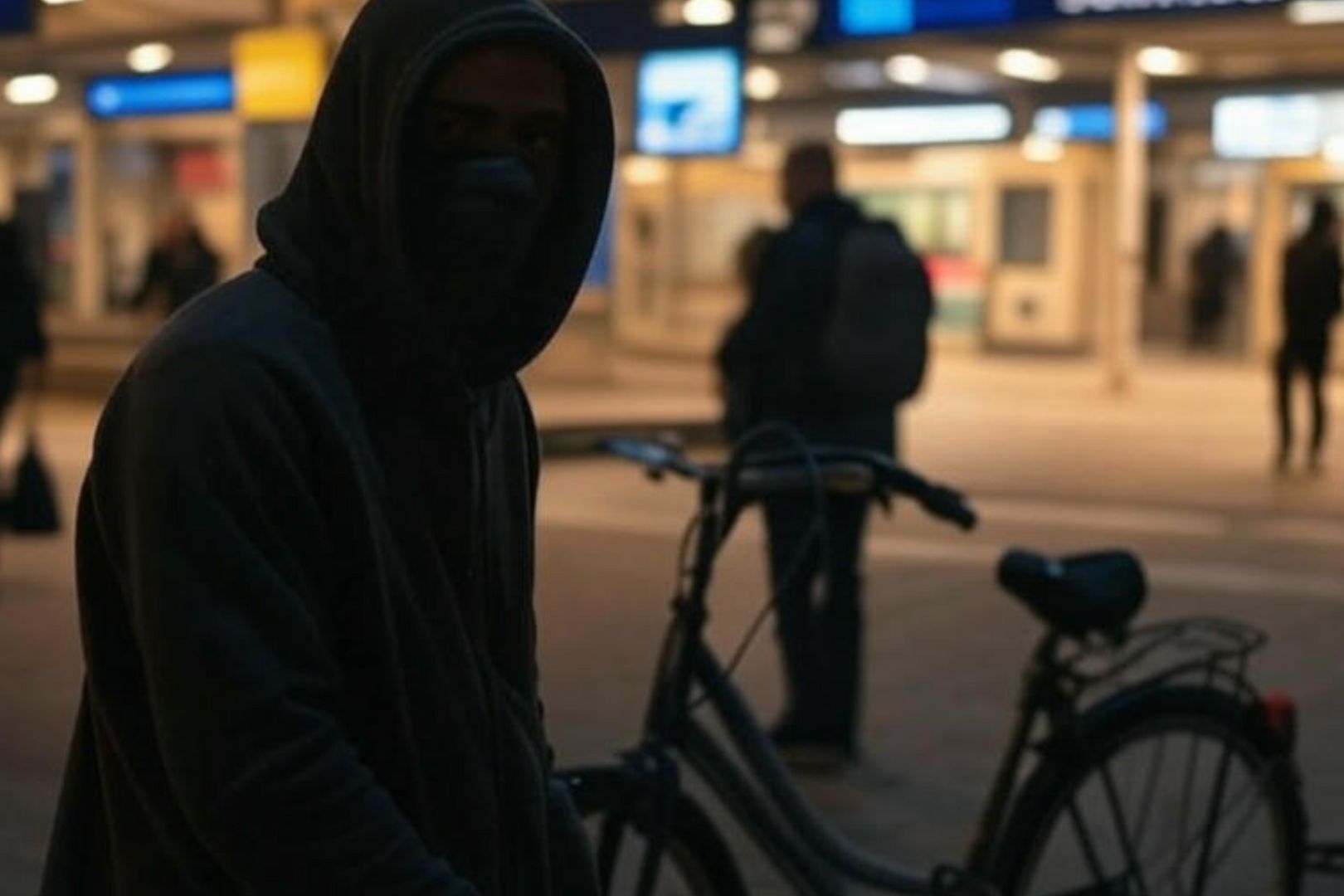
If someone offers you a bike for €20–50 near a train station or outside a bar, it is most likely stolen. It might seem like a great deal, but here’s why you should avoid buying from street sellers:
- High risk of buying a stolen bike – If caught, you could face a €400 fine or legal trouble.
- No guarantees – No refunds, no test rides, and no way to check if the bike is in good condition.
- Poor quality – These bikes often have missing parts, faulty brakes, and rusted chains.
Verdict: Illegal, risky, and a waste of money.
Platforms like Marktplaats and Facebook Marketplace have thousands of second-hand bikes for sale, but they come with challenges:
- Time-consuming – Searching, messaging sellers, negotiating prices, and traveling across the city takes hours.
- High risk of scams – Fake listings, stolen bikes, and misleading descriptions are common.
- No quality control – You have to inspect everything yourself, and there’s no return policy.
If you choose this route, always check the frame number (to ensure it’s not stolen), test ride the bike, and avoid deals that seem too cheap.
Verdict: Possible to find a good deal, but requires effort and experience.
For a secure and hassle-free experience, Bikefair is the best way to buy a second-hand bike in Amsterdam.
Why choose BikeFair?
- 100% theft-checked – Every bike is verified against Dutch police records.
- Quality inspected – No hidden defects or missing parts.
- No time wasted – No need to negotiate, travel, or deal with unreliable sellers.
- Transparent pricing – The price you see is the price you pay.
- Pick-up or delivery – Choose what works best for you.
- Secure payment transfer - No cash handling with strangers.
How it works:
- Browse bikes online → Find your bike here
- Reserve with a refundable deposit
- Test ride or choose delivery
- Pay only if you’re happy
Verdict: The safest and most convenient way to buy a second-hand bike.
If you prefer a brand-new bike or want professional service, a bike shop is a solid option.
- Guaranteed quality – You get a warranty and professional servicing.
- Expert advice – Staff can help you choose the right size and type.
- Higher price – New bikes start at €300–600, while high-end models cost over €1,000.
- Expensive second-hand bikes – Some shops sell refurbished bikes, but they often cost 50–100% more than private sellers or BikeFair.
If you have the budget and want a long-term investment, buying from a store is a great option. However, for most people, BikeFair offers the best balance between price and quality.
Verdict: Reliable but expensive.
No matter where you buy your bike, always check these essentials before paying:
- Frame and wheels – No cracks, rust, or major damage.
- Brakes – Should work smoothly and stop the bike effectively.
- Chain and tires – No excessive rust, stiffness, or wear.
- Size – The bike should fit your height comfortably.
- Gears (if applicable) – Should shift smoothly.
If you’re unsure, use BikeFair’s quality-checked listings to avoid potential issues.
What you'll wish you knew (the expat checklist)
- Buy a ring lock + chain lock — not just one. Dutch bike theft is industrial. A single chain lock is removed by professional thieves in under 30 seconds. A ring lock alone won't stop anyone. The combination of both (ring lock for quick stops + heavy chain or U-lock through the frame to a fixed object for longer parking) cuts theft risk by 80%. See our bike lock guide.
- Get insurance the same day you buy. Bike theft in the Netherlands runs at about 80,000 reported cases a year (read the figures). Without insurance you eat the loss.
- Register your frame number with BikeFair (free). This isn't national registration, but it means if your bike is later found by anyone using the BikeFair database (police included), you get notified.
- The "OV-fiets" is rental, not a buy. Many newcomers think the train-station yellow-and-blue bike is a buying option. It's not — it's a rental from NS for €4.55/day. Useful, but not a long-term solution.
- Negotiate. Always. Dutch sellers expect a counter-offer of 10–15% below asking price. Going straight to "okay sounds good" marks you as a tourist. Make an offer.
Final Thoughts
If you’re looking for a cheap, reliable, and safe second-hand bike in Amsterdam, BikeFair is the best option. You avoid scams, get a theft-checked bike, and can even choose delivery.
Ready to find your perfect bike?Browse bikes now